
Bone Health and Menopause
Introduction
Bone health becomes an increasingly important concern for women as they approach and move through perimenopause. The hormonal shifts that occur during this transitional period—particularly the decline in estrogen—can significantly impact the strength and density of bones. Studies suggest that women may lose as much as 20% of their bone mass during menopause and the years that follow, contributing to a heightened risk of osteoporosis. In fact, about one in ten women over 60 are affected by this condition worldwide. Even more concerning, nearly half of postmenopausal women will experience an osteoporotic fracture, which can lead to pain, reduced mobility, and a lower quality of life. While bone loss is often studied in postmenopausal women, emerging research, including the landmark Study of Women’s Health Across the Nation (SWAN), is shedding light on the early changes in bone density and turnover that begin in the perimenopausal years. Understanding and addressing these changes early can make a critical difference, helping to prevent fractures and support healthier aging.

Hormones and Bone Loss
Osteoporosis is a progressive condition that causes bones to become fragile and more likely to break. For women, the onset of menopause is one of the most significant contributors to this process. As estrogen levels begin to fluctuate and then decline during the menopausal transition, the protective effect of this hormone on bones is lost, accelerating the breakdown of bone tissue. One form of estrogen, known as estradiol, plays a particularly vital role in maintaining bone strength. As the ovaries gradually reduce their production of estradiol, women may begin to experience classic menopausal symptoms such as hot flashes and mood swings—alongside silent but serious effects on bone health.
Vitamin D and calcium also play a central role in skeletal integrity. Vitamin D helps the body absorb calcium, which is essential for developing and maintaining strong bones. However, if either of these nutrients is insufficient—due to dietary intake, sun exposure, or other factors—the body’s ability to preserve bone structure is compromised, increasing the risk of osteoporosis and fractures.
Recent studies, including the SWAN (Study of Women’s Health Across the Nation) project, have shown that bone loss does not wait until after menopause to begin. Instead, significant decreases in bone mineral density (BMD) start during late perimenopause, with the lumbar spine losing up to 2.3% of its density per year and the hip up to 1.4%. Women with lower body weight were found to experience more rapid bone loss, regardless of race or ethnicity, highlighting body weight as an important factor in bone health. Similar findings have been echoed in international studies, including those conducted in Australia and France, where accelerated bone loss was also observed around the final menstrual period.
While estrogen deficiency is a known cause of bone loss in postmenopausal women, the relationship between hormone levels and bone density during perimenopause is more complex. Estradiol levels can vary widely throughout each menstrual cycle, making it challenging to assess the hormone’s impact on bone loss during this time. Some researchers suggest that the fluctuation between high and low estradiol levels—rather than a consistent deficiency—may contribute to bone resorption in perimenopausal women. Furthermore, elevated levels of follicle-stimulating hormone (FSH) during this phase may also be linked to bone decline, even when estrogen remains within a seemingly normal range.
Together, these findings underline the importance of monitoring bone health not only after menopause, but also during the transition years leading up to it. Awareness of these hormonal changes allows women and healthcare providers to take early steps in preserving bone density and preventing fractures later in life.
Medical Screening for Osteoporosis
Screening for bone health is important for some women during the menopausal transition, especially if they have risk factors for weaker bones or fractures.
Bone Mineral Density (BMD) Testing
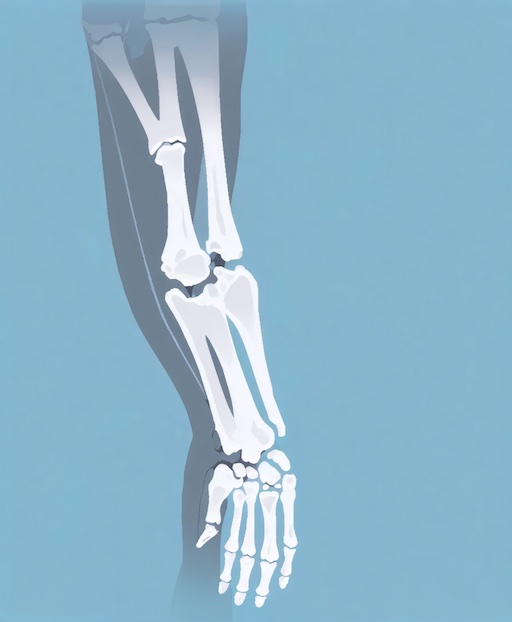
The most common way to check bone strength is with a test called DEXA, which stands for Dual Energy X-ray Absorptiometry. It is a special type of scan that measures how dense (or strong) your bones are, especially in the hip and spine. This helps doctors find out if your bones are healthy, thin (called osteopenia), or very weak (called osteoporosis).
Doctors may suggest a DEXA scan during perimenopause (the years leading up to menopause) if a woman has certain risk factors — like a previous bone fracture, very low body weight, or taking medications that affect bones (such as steroids). But if the results won’t change treatment plans, doctors may not recommend the test.
If a DEXA scan is done, doctors look at something called a T-score or Z-score to understand your bone strength:
- T-score compares your bone strength to that of a healthy young adult. It is mostly used after menopause.
- Z-score compares your bone strength to other people of your same age and background. This is usually used before menopause. A Z-score of -2.0 or lower means your bones are weaker than expected for your age.
Who Needs Screening?
Right now, there are no official guidelines recommending DEXA scans for all healthy women during perimenopause. The U.S. Preventive Services Task Force says women under age 65 should only be screened if their risk of breaking a bone is as high as that of an average 65-year-old woman.
Some women may still benefit from early testing, such as those who are very thin or who have other health conditions, but more research is needed to prove that early screening helps in these cases.
Fracture Risk Calculator (FRAX)
Doctors also use a tool called FRAX (Fracture Risk Assessment Tool) to estimate a woman’s chance of breaking a bone in the next 10 years. This tool looks at many things like your age, weight, if your parent broke a hip, and your bone density from a DEXA scan.
You can try the FRAX tool yourself online at www.shef.ac.uk/frax. It gives two results:
- Hip fracture risk: Risk of breaking a hip in the next 10 years
- Major fracture risk: Risk of breaking a major bone (like the spine or wrist) in the next 10 years
In the U.S., if your FRAX score shows a 3% or higher risk for hip fracture, or a 20% or higher risk for major fractures, treatment may be recommended — even if your bones are not in the osteoporosis range yet.
While FRAX may not always improve predictions beyond DEXA results alone, it can still be a helpful tool for doctors and patients when deciding whether treatment or lifestyle changes are needed.
Medical Treatments for Bone Health
There are several medicines and hormone treatments available to help protect bones, stop bone loss, and even help build new bone. If a woman has a fracture (broken bone) after menopause, it should be treated as an osteoporotic fracture, and treatment should be considered. Here are the main medical options:
- Bisphosphonates: A common oral medicine that helps slow bone loss and increase bone strength.
- Denosumab: A medicine given as an injection (usually twice a year) that reduces the risk of fractures and slows bone loss.
- Abaloparatide: A daily self-injection that builds new bone. It’s used for up to 2 years and lowers the risk of both spine and other types of fractures.
- Teriparatide: A form of parathyroid hormone given as a daily injection that helps form new bone and increases bone turnover.
- Romosozumab: A monthly injection given by a doctor for 12 months. It helps build bone and is used for women at very high risk of fractures.
- Tibolone: A hormone treatment used to relieve menopause symptoms and help prevent osteoporosis. (Note: not available in the U.S. or Canada.)
- Calcitonin: A hormone available as a nasal spray that helps control calcium levels and may help protect bones.
- Calcium and Vitamin D: Supplements that support bone health and reduce the risk of fractures.
- Estrogen Hormone Therapy: Estrogen helps protect bones by slowing down the process where bone is broken down (called bone resorption).
These treatments are effective in lowering the chance of future fractures. The choice and duration of treatment will depend on your personal risk of fractures, your general health, and any potential side effects. Treatment decisions should be made together with your healthcare provider.
Treatment Considerations in Perimenopause
There are no specific treatment guidelines for osteoporosis in perimenopausal women. However, if a woman in this stage has a high risk of fractures, treatment may still be needed. In most cases, the choice of medicine should be based on each woman’s individual needs.
Bisphosphonates are usually the first choice for treating osteoporosis after menopause. They help reduce the risk of hip, spine, and other fractures. But because we don’t know the ideal length of time to stay on these drugs, other options might be considered, especially in younger postmenopausal women.
For women who may still be fertile, it’s important to know that some bone treatments can affect pregnancy, so contraception and counseling may be needed before starting certain medications like bisphosphonates.
Raloxifene is a drug that works like estrogen in bones and may help prevent spine fractures. It may be suitable for younger postmenopausal women, but it's not proven to prevent hip or other fractures. Raloxifene should not be used by women who haven’t reached menopause yet, as it may lower bone density in that group.
Hormone therapy (estrogen with or without progestin) can help women with menopause symptoms and may also protect bone. However, if it’s used just to protect bones, the risks and benefits need to be weighed carefully, especially compared to non-hormonal treatments.
It’s also important to know that once estrogen treatment is stopped, the bone protection it provides doesn’t last. Bone loss and fracture risk may return to what they were before treatment.
Lifestyle Changes for Better Bone Health
There are many lifestyle habits that can help keep your bones strong and reduce the risk of fractures. These changes are important both during perimenopause and after menopause.
- Exercise: Regular physical activity helps maintain healthy bones. This includes weight-bearing exercises (like walking or dancing), resistance training (like lifting weights or doing squats), and balance exercises (to reduce the risk of falling).
- Healthy Diet: Eat a balanced diet with plenty of calcium and vitamin D to help support strong bones.
- Sunshine: Spending time outside in the sun helps your body make vitamin D naturally, which is important for bone health.
- Weight Management: Keeping a healthy weight can help reduce strain on your bones. Avoiding obesity helps protect bone strength.
- Avoid Smoking and Limit Alcohol: Smoking weakens bones, and drinking too much alcohol can increase the risk of fractures.
The same healthy habits that help postmenopausal women protect their bones also apply to women in perimenopause. These include:
- Eating a balanced diet
- Exercising regularly
- Not smoking
- Limiting alcohol
- Taking steps to prevent falls at home or outdoors
It’s also important to be aware of changes in weight. Losing too much weight—especially quickly—can lead to more rapid bone loss and raise the risk of fractures.
Exercise and Bone Strength
Exercise plays a big role in keeping bones healthy and reducing the risk of falls. It also improves strength, balance, and overall fitness. Aim to be active for 30 to 40 minutes most days of the week.
Some of the best types of exercise for bone health include:
- Weight-bearing exercises: such as stair walking, skipping, running, tennis, or dancing.
- Resistance (strength) training: using weights, machines, or body weight exercises like push-ups and squats.
Before starting a new exercise routine, it’s a good idea to speak with a qualified trainer, exercise physiologist, or physiotherapist.
You can learn more about exercise and bone health by visiting the Healthy Bones Australia website or by reading their brochure on exercise and bone density.
Summary and Questions to Ask Your Doctor
Looking after your bones becomes especially important during perimenopause, when hormonal changes can lead to bone loss. Fortunately, there are many ways to maintain strong, healthy bones — from regular exercise and a balanced diet to medications that can prevent or reverse bone thinning. Every woman’s situation is different, so it’s important to understand your own bone health and what steps may be right for you.
If you're concerned about osteoporosis or have had a recent fracture, it’s a good idea to speak with your doctor. They can help you understand your personal risk and whether treatment, supplements, or lifestyle changes are recommended. A conversation with your healthcare provider can give you clarity about your options and next steps.
Questions to Ask Your Doctor
- How low is my bone density?
- Am I at higher risk of breaking a bone?
- Is now the right time for treatment, or should we monitor things first?
- What side effects might come with the treatment you’re suggesting?
- Would I benefit from taking calcium or vitamin D supplements?
- Would it help to see a specialist, like an endocrinologist?
Staying informed and asking questions can make all the difference in protecting your bone health for the future.