
Introduction to Menopause
Sexual Health and Menopause: Understanding Intimacy Through the Transition
Going through perimenopause and menopause doesn't mean your sex life is over — far from it. Despite common myths, intimacy and pleasure are still very much possible and meaningful during this time of life. In fact, with the right support and information, many women find new ways to enjoy sex and intimacy, whether with a partner or on their own.
Hormonal changes during menopause can affect how your body responds to sex, but this doesn't mean the end of enjoyment. With a bit of understanding and care, your sexual wellbeing can continue to be a fulfilling part of your life.
The World Health Organization defines sexual health as more than just the absence of illness — it's about emotional, physical, and social wellbeing in relation to sexuality. Studies show that most women across cultures value sexual activity, and that physical pleasure often brings greater emotional satisfaction, too.
It's also important to know that a woman's desire or frequency of sex doesn't always reflect her overall sexual wellbeing. Many women stay sexually active for various reasons that aren't just about physical desire. Sexual health matters for everyone — regardless of relationship status — and understanding your own sexuality is key, even if sex seems to be "everywhere" in society.
If you're feeling unsure or have questions about sex during menopause, your GP or healthcare provider can help. They can offer guidance and education, not just for you but for your partner as well, helping you both feel more confident and informed.
Common Sexual Difficulties During Midlife
As women go through perimenopause and menopause, it’s normal for some to experience changes in their sex lives. These changes can be physical, emotional, or both — and they’re more common than you might think.
Some of the most common difficulties include:
- Low or reduced interest in sex
- Difficulty relaxing during intimacy
- Pain during sex (known as dyspareunia)
- Problems with becoming aroused
- Difficulty reaching orgasm (anorgasmia)
Around 10–15% of women going through perimenopause say they have no desire for sex, and about 5% rarely or never feel aroused. Up to 20% report occasional pain during sex, and around 5% experience pain most of the time. Interestingly, one large study found that while masturbation increased in early perimenopause, it often decreased after menopause. This may be linked to more vaginal discomfort or dryness, which can make sex less enjoyable.
What Causes Pain During Sex?
Pain during sex can have different causes, and it’s important to explore them all if you're affected. Common causes include:
- Vaginal dryness (due to reduced oestrogen)
- Vaginismus (involuntary muscle tightness)
- Vestibulitis (inflammation at the vaginal opening)
- Vulvodynia (chronic vulval pain)
Treating Vaginal Dryness
If menopause is causing your vagina to feel dry, itchy, or sore, there are treatments that can help. Your doctor may recommend oestrogen that you apply directly to the vagina using a cream, pe
Non-Hormonal Factors That Affect Sexual Wellbeing
Not all changes in sexual desire or function during midlife are caused by hormones. In fact, many women experience sexual difficulties for reasons that have nothing to do with menopause itself.
Emotional and Lifestyle Factors
Sexual challenges at midlife are more likely to happen if a woman is facing other difficulties in her life. These might include:
- High levels of stress at home or work
- Major life changes like retirement, bereavement, divorce, or children leaving home
- Poor physical health or managing a chronic illness
- Depression or past experiences of sexual trauma
- Low self-esteem or poor body image, especially due to weight gain
Being in a relationship can be both a source of support and a source of difficulty. If a partner is also facing health problems or changes in sexual function — sometimes caused by medication — it can affect the sexual dynamic within the relationship.
Depression and Antidepressants
Depression is closely linked to reduced sexual desire and satisfaction. Sometimes, even after depression is treated, sexual problems continue — especially if the treatment includes antidepressants.
Selective serotonin reuptake inhibitors (SSRIs), which are among the most commonly prescribed antidepressants, are known to impact sexual function. Up to 55% of women taking these medications may notice issues like:
- Low libido (reduced interest in sex)
- Trouble becoming aroused
- Difficulty or delay in reaching orgasm
These issues may not seem important at the start of treatment, when mental health is the main concern. But once someone is feeling better emotionally, problems with sexual function can become more noticeable — and may lead to stopping treatment early. If this happens, it’s important to talk to a doctor, as there are often alternatives or solutions.
Medical Conditions and Surgeries
Certain health conditions and medical treatments can also play a role in sexual difficulties. For example:
- Chronic illnesses such as high blood pressure, diabetes, multiple sclerosis, kidney disease, or heart disease
- Urinary incontinence (accidental leakage of urine)
- Pelvic surgeries, radiation, or injury
Women who’ve had a hysterectomy (removal of the uterus) but still have their ovaries don’t usually face more sexual issues than other women. However, those who’ve had a surgical menopause (when the ovaries are also removed) are more likely to report sexual problems.
Common Causes of Difficulty Reaching Orgasm
Difficulty reaching orgasm (anorgasmia) can be caused by a range of factors, such as:
- Relationship tension or emotional disconnection
- Past experiences of sexual abuse or trauma
- Chronic illnesses or medical conditions
- Certain medications, especially antidepressants and mood stabilisers
- Pelvic health issues, especially after surgery or radiation
It’s important to remember that sexual wellbeing is influenced by both physical and emotional health. If you're facing changes or challenges, you’re not alone — and there is help available. Open conversations with your GP or a specialist can lead to treatment options that support both your physical and emotional needs.

How Hormones Affect Sexual Health During Midlife
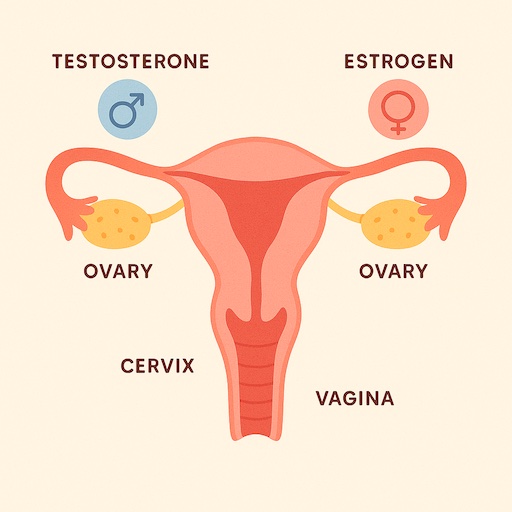
As women go through the menopause transition, hormone levels — especially oestrogen — can fluctuate widely. This can lead to a range of physical and emotional symptoms that may affect sexual desire, arousal, and comfort during intimacy.
Hormonal Ups and Downs
During perimenopause (the years leading up to menopause), hormone levels often swing back and forth. One week, a woman may have signs of high oestrogen — like breast tenderness or heavy periods — and the next week, she might experience hot flushes, poor sleep, or anxiety, which are signs of lower oestrogen. These changing hormone levels can make sexual desire feel unpredictable.
Vaginal Changes and Discomfort
After menopause, when oestrogen levels drop for good, some women develop a condition called vaginal atrophy. This means the vaginal walls become thinner, drier, and less elastic, often making sex uncomfortable or even painful.
However, during perimenopause, most women still have enough oestrogen to avoid vaginal atrophy. When women in this stage report dryness during sex, it's often more about low arousal than a lack of hormones. In such cases, simply adding oestrogen (like in vaginal creams) may not solve the problem. Instead, addressing issues like stress, relationship factors, or emotional wellbeing might be more helpful.
The Role of Testosterone
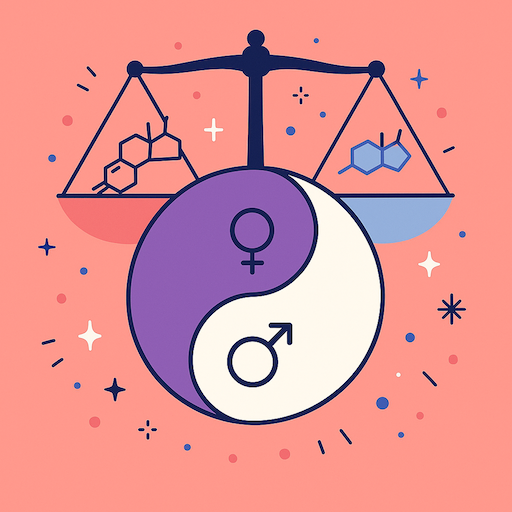
While oestrogen levels change quickly during menopause, testosterone levels decline more slowly, starting from a woman's mid-30s. Testosterone is sometimes thought of as a "male hormone," but women have it too — and it plays a role in sexual desire and arousal.
Some research has shown that testosterone therapy can help postmenopausal women feel more interested in sex, improve vaginal lubrication, and reduce pain during sex. However, studies on testosterone use specifically in perimenopausal women are limited. The testosterone in women comes from the ovaries and also from a hormone made by the adrenal glands (DHEA), which the body can convert into testosterone.
Hormonal changes during this life stage are natural, but they can affect each woman differently. If sexual health becomes a concern, it’s worth speaking with a healthcare professional to explore personalised solutions — whether hormonal or not.
Contraception and Its Impact on Sexual Health During Midlife
Even during perimenopause, contraception is still recommended until a woman has gone 12 full months without a period — the point when menopause is officially reached. As a result, many women continue using birth control methods like the oral contraceptive pill (OCP) during their 40s and early 50s.
While the pill is effective for preventing pregnancy and managing symptoms like irregular bleeding, it can have an unexpected effect on sexual health. The pill works by stopping ovulation, and in doing so, it reduces the body's natural production of testosterone — a hormone that plays a role in sexual desire and arousal. It also increases a protein in the blood called sex hormone-binding globulin (SHBG), which binds to testosterone and makes even less of it available to the body.
As women age, their overall levels of testosterone naturally decline, and the added effects of the pill can make them more sensitive to these changes. This means that a woman who didn’t experience sexual side effects from the pill in her younger years may begin to notice reduced desire or arousal during perimenopause.
Other hormonal contraceptives, like the vaginal ring, can also increase SHBG and have similar effects on testosterone. However, some methods — such as long-acting progestin injections or the hormone-releasing intrauterine device (IUD) — tend to have little or no effect on testosterone levels and are less likely to impact sexual desire.
It’s also important to remember that it’s still possible to get pregnant during perimenopause. Until you’ve gone a full year without a period, you should keep using contraception if you don’t want to become pregnant. If you and your partner use barrier methods like condoms, it's a good idea to continue doing so — not only for pregnancy prevention but also to reduce the risk of sexually transmitted infections. As oestrogen levels drop, the vaginal walls may become thinner and more delicate, increasing the risk of tiny tears and making infection more likely.
If you’re using hormonal birth control and noticing changes in your sexual health, it's worth discussing this with a healthcare provider. There may be alternative options that better suit your needs during this life stage.
Why It’s Important to Address Female Sexual Difficulties
When women experience ongoing problems with sexual desire, arousal, or satisfaction, it can take a real toll on their wellbeing. These issues can lead to lower self-esteem, increased feelings of sadness or frustration, and strain in relationships. A fulfilling sex life can positively impact emotional closeness, mood, and quality of life — and when something changes, it’s completely normal to feel a sense of loss or disconnection.
Sexual desire, in particular, plays a big role in how couples relate to one another, both in and out of the bedroom. When there’s a mismatch in how much intimacy each partner wants, it can cause tension, disappointment, or feelings of rejection on either side. Studies show that couples with sexual mismatches often report lower satisfaction in the overall relationship — not just the sexual part. Other relationship difficulties, like poor communication, feeling unappreciated, or unresolved anger, can also reduce intimacy and make sex feel like a chore instead of something enjoyable.
For some women, losing interest in sex causes deep distress — whether they’ve stepped away from intimacy or continue to have sex out of a sense of obligation or to stay close to their partner. Either way, these feelings matter, and they deserve to be addressed with care and understanding.
Getting the Right Support
When a woman shares concerns about sex, it’s important for any assessment or treatment to consider her full personal picture — including her relationship status, cultural background, and past sexual experiences. Healthcare providers shouldn’t assume that someone is receiving enough physical or emotional stimulation. Every woman's needs and experiences are unique.
A thorough medical history should include information about her general health, past pregnancies or births, any pelvic issues, and all medications (including supplements and over-the-counter treatments). A physical exam should check for any genital or pelvic changes, especially if the woman is experiencing pain or a loss of sensation.
Blood tests may be suggested in certain cases — for example, to check for things that cause tiredness like low iron, thyroid issues, or high blood sugar. Hormone testing (like oestradiol or FSH) may help determine menopausal status in women who no longer have periods due to surgery. However, these tests aren’t usually needed if someone is already taking the contraceptive pill, as the results won’t be helpful.
If testosterone therapy is being considered, specific tests can be used to check total testosterone and SHBG levels, with a lab calculation to estimate how much free testosterone is available in the body. Unusual results — like high testosterone when it's not expected — should be looked into further. In some cases, a woman may be referred for urodynamic testing, especially if urinary incontinence or pelvic floor problems are also present.
The most important message is this: sexual health is an important part of overall wellbeing. If you're experiencing changes or difficulties, you're not alone — and there is support available to help you feel more like yourself again.
Managing Changes in Sexual Desire
If you're experiencing changes in your interest in sex, you're not alone — and there are many simple steps that can help. For some women, it’s as straightforward as identifying lifestyle factors that are getting in the way, such as lack of privacy at home due to adult children still living there. Just talking about these obstacles and finding practical ways to manage them can make a big difference.
Emotional wellbeing, relationship dynamics, and physical health all play a part in sexual satisfaction. It's important to consider how your current life circumstances — like stress, relationship tensions, or health conditions such as urinary incontinence — may be influencing how you feel. Treating or addressing those underlying issues can help restore interest and comfort around intimacy.
Women going through perimenopause are also more likely to experience low mood or depression. If you're taking antidepressants, it's worth discussing with your doctor whether they could be affecting your sexual desire, as this is a known side effect for some medications. Alcohol use and hormonal contraception, such as the oral contraceptive pill (OCP), can also play a role. In some cases, switching to a hormone-releasing intrauterine device (IUD) can be a good alternative. It provides effective contraception, reduces heavy periods, and can offer protection if you’re considering starting oestrogen therapy after menopause.
Could Testosterone Help?
Some women benefit from testosterone therapy, which can help boost desire, arousal, and overall sexual satisfaction. It’s usually given as a cream or small implant and, when prescribed in the right dose for women, tends to have very few side effects. The most common is a slight increase in hair growth in certain areas.
However, it's important to avoid testosterone products that are made for men or made by unregulated compounding pharmacies, as these can result in unpredictable or overly high hormone levels and even lead to unwanted side effects like voice deepening or excess hair growth.
Research shows that testosterone therapy can be effective for women both before and after menopause. There’s no perfect test to predict who it will help, but women who once had a fulfilling sex life and now feel a loss of desire are good candidates. If you have high SHBG (sex hormone-binding globulin), testosterone therapy is less likely to work. Women with hormone-sensitive cancers or signs of androgen excess (like severe acne or hair loss) should not take testosterone.
Even if you’re dealing with relationship issues or depression, you shouldn't be ruled out from trying testosterone. In some cases, problems with sex can be the root cause of emotional or relationship distress — not the result.
If you're interested in exploring testosterone therapy, it’s best to speak with a GP who has experience in this area or ask for a referral to a specialist.
Talking to Your Partner About Sex
If you have a partner, opening up about how you’re feeling can be challenging — but it’s often the first step toward improving intimacy. Honest conversations can help reduce pressure and build understanding.
Think about the kind of sexual and emotional connection that feels meaningful to you. Having sex out of obligation often leaves both people feeling disconnected. Instead, consider exploring what brings you pleasure now, as your needs and desires may change over time.
A satisfying sex life doesn’t have to follow any rules or look a certain way. Sometimes simply being affectionate — hugging, holding hands, or spending quality time together — can help rebuild closeness and confidence. You get to define what intimacy means for you at this stage in your life.
Remember, your sexual wellbeing is important. If something doesn’t feel right, you deserve support, and there are safe, effective options that may help.

Summary of Key Points
- Concerns about sexual function are common during perimenopause.
- Fluctuating levels of oestrogen—not just low oestrogen—can affect sexual desire and comfort.
- Addressing life circumstances, emotional health, and medication side effects is an important part of managing sexual difficulties.
- For some women, a carefully supervised trial of testosterone therapy can improve desire and satisfaction.
- Open communication with your partner about your feelings and needs can greatly support intimacy and relationship satisfaction.