
Introduction to Menopause
What is menopause?
Menopause is the natural next stage in life, that marks the end of the reproductive years. This is defined by not having a menstrual period for 12 months if not on any hormonal contraception. If you are taking hormonal contraception, it can be more difficult to ascertain if you have reached menopause, and further tests can help confirm menopause. Generally speaking the average age for menopause is between 45 and 55, and most women are considered to have entered menopause by the age of 55.
Why and how does menopause happen
Menopause occurs due to falling levels of reproductive hormones, these include oestrogen and progesterone, as well as other sex hormones, including testosterone. As these hormone levels fall, the ovaries stop producing eggs altogether, thereby ending the reproductive phase of life. Gradually reducing levels of hormones during the perimenopause period, resulting in total cessation of egg release by the ovaries is the natural process by which menopause, occurs, however there are other ways this can occur too. Menopause can be triggered prematurely by certain treatments for other conditions such as chemotherapy, or surgery, where ovaries are removed. Premature menopause is when menopause occurs before the age of 45, either naturally, or via medical intervention.

How does this affect me?
During the perimenopause and early menopause periods, people tend to experience a number of symptoms as listed below:
- Hot flashes
- Night sweats
- Sleep disturbances
- Vaginal dryness
- Mood swings
- Difficulty concentrating
- Thinning hair
- Dry skin
- Not everyone experiences these symptoms with the same intensity
- Sometimes these symptoms may not be due to menopause, but can be caused by other conditions such as stress, or other medical conditions
What can I do?
It is important to try and manage both the symptoms of menopause, so that it does not impact your quality of life,
and manage the new risks that come with reducing oestrogen levels.
Things that can help include:
- Exercising regularly including cardio (this will help reduce risk of cardiovascular disease) and weight bearing exercises (this will protect againt reducing bone density)
- Eating a healthy and nutritious diet (help protect against metabolic syndrome)
- If overweight, trying to lose weight (help protect against metabolic syndrome and cardiovascular disease)
- Ensuring a good sleep regime and wearing light clothing at night (help with night sweats and hot flushes)
- Ensure doing fun, relaxing activities, and engaging well with family and friends (helps with low mood associated with menopause)
- Seek medical help early if you feel like the symptoms of menopause are impacting your quality of life
What support is out there?
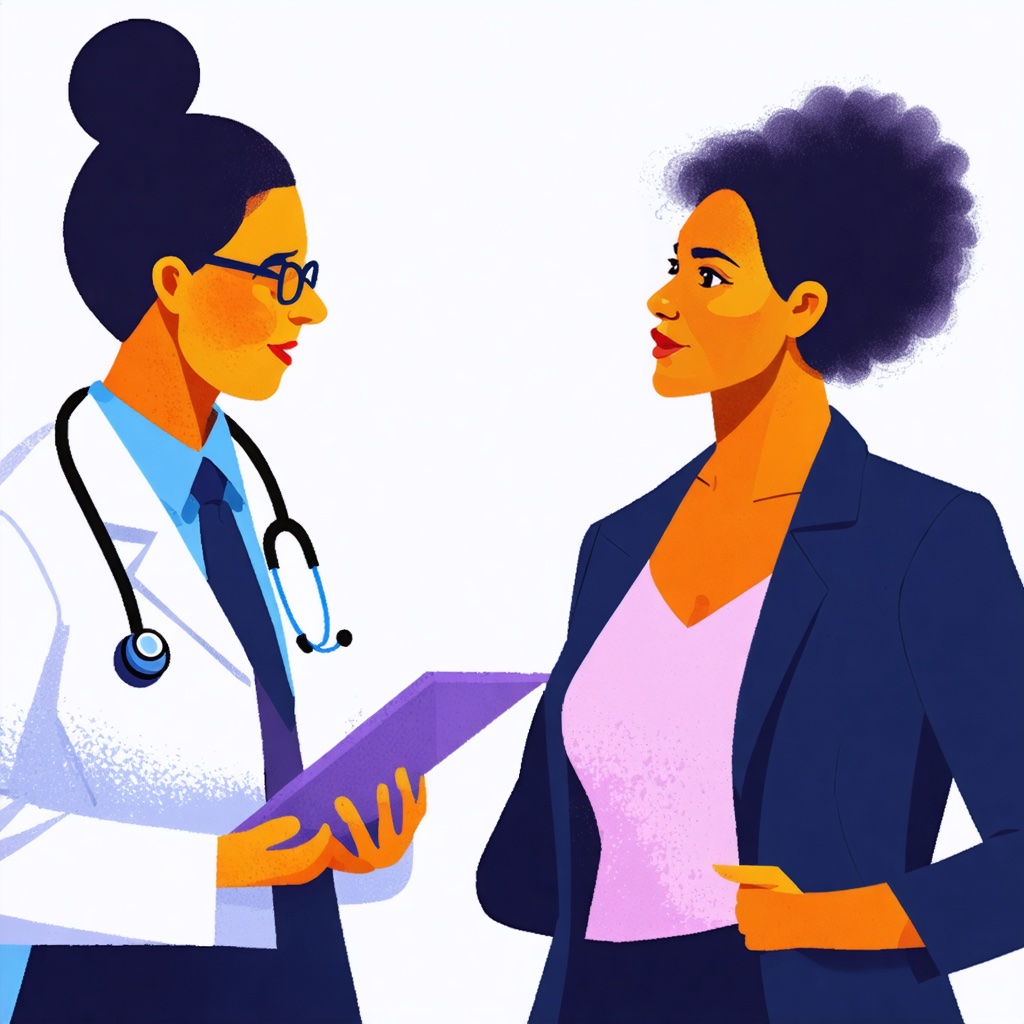
Depending on the intensity of menopause symptoms, there are different ways of approaching menopause. For some people, the symptoms can be very mild, and they can go through menopause without much additional medical or lifestyle intervention. However for the majority of people going through menopause, they can be impacted to some degree. Where the symptoms are mild and do not impact quality of life, lifestyles measures can help, however these alone may not be sufficient to combat either the symptoms of the complications of menopause. Getting medical help early when you start experiencing symptoms can help ease the symptoms, and reduced some of the risks of complications of menopause. When seeking medical help, the most common intervention for menopause is HRT, however this is not the only treatment option available. Your health care professional should assess your suitability for HRT, and your preference for this, and discuss the risks and benefits of HRT. In general terms HRT has been recommended for managing menopausal symptoms, however it may not be suitable for everyone. There are other medical interventions for menopause, where HRT is not suitable, including some forms of anti depressants, and medications including clonidine. Medications are not the only treatments available, sometimes psychological support can also be invaluable during menopause. It is important to fully explore your options with your health care professional to ensure that menopause does not impact your quality of life, or has the most minimal impact on your life.

Summary
Menopause marks the natural end of a woman's reproductive years, typically occurring between ages 45 and 55, and is defined by the absence of menstrual periods for 12 months. It results from a decline in reproductive hormones like oestrogen and progesterone and can also be triggered prematurely by medical treatments or surgery. Symptoms during perimenopause and menopause vary but commonly include hot flashes, night sweats, mood swings, and sleep disturbances, with long-term health impacts like reduced bone density and increased risk of heart disease. Lifestyle changes—such as regular exercise, healthy eating, good sleep hygiene, and social engagement—can help manage symptoms and health risks. Medical support, including hormone replacement therapy (HRT) and other treatments, may be necessary depending on symptom severity. Early consultation with healthcare professionals is encouraged to ensure menopause has minimal impact on quality of life.