
Mental Health and Menopause
Introduction: The Overlooked Link Between Perimenopause and Mental Health
When people think of perimenopause, the focus is often on physical symptoms flashes, irregular periods, night sweats, and sleep disruption. But there's another side to this transition that’s often overlooked: mental and emotional well-being.
During the 40s and 50s, women may find themselves juggling intense life responsibilities raising children, advancing careers, supporting aging parents while simultaneously navigating the hormonal rollercoaster of perimenopause. It's no wonder that many experience mood changes, anxiety, difficulty concentrating, and even depression.
In this article, we’ll explore the complex relationship between perimenopause and mental health, breaking down the science, symptoms, and supportive strategies. We'll cover:
- Why hormone shifts affect your mood and cognition
- The different types of mental health issues
- Treatment options
- Mental health red flag
- Evidence-based treatments and lifestyle changes that can help
Whether you’re personally experiencing this phase or supporting someone who is, understanding the emotional side of perimenopause is essential. It's not just "in your head"—these are real, biologically influenced changes, and there is help, support, and relief available.

Why Hormone Shifts Affect Mental Health
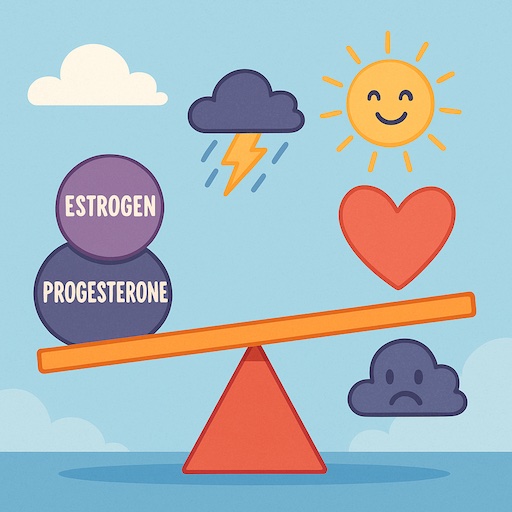
During perimenopause, levels of hormones like estrogen and progesterone begin to fluctuate significantly. Estrogen, in particular, plays a key role in brain function—its receptors are located in areas of the brain involved in mood regulation, such as the amygdala and hippocampus. When estrogen levels swing or drop, it can disrupt the delicate balance of neurotransmitters like serotonin and dopamine, which are crucial for maintaining stable moods.
These hormonal shifts don’t just happen in a vacuum. Many women also experience changes in lifestyle—reduced physical activity, altered eating habits, or shifts in sexual health—that may compound emotional instability. Sleep disturbances, hot flashes, and night sweats can also create a cascade of fatigue and irritability, making mood symptoms even more pronounced.
There is evidence to suggest that some women are more biologically sensitive to these hormonal changes, a concept often referred to as a “window of vulnerability.” Those with a history of depression or anxiety may find themselves especially affected during perimenopause. Emotional health at this stage often requires a conscious effort to balance self-care with life’s growing demands—whether it's career pressures, parenting, or caregiving for aging family members.
Anxiety can also increase during this time, even in women without a prior history. It may manifest as racing thoughts, a sense of dread, or physical symptoms like tension and nausea. Hot flashes can both trigger and be triggered by anxiety, creating a frustrating cycle that affects both mind and body.
Mental Health and Menopause
Mood
Estrogen receptors are widely distributed throughout the brain, particularly in areas involved in mood regulation. As estrogen levels fluctuate during perimenopause, some women may experience emotional ups and downs that resemble premenstrual syndrome (PMS). These symptoms might include irritability, tearfulness, moodiness, and trouble concentrating. Unlike PMS, perimenopausal mood changes can happen without any clear pattern or connection to the menstrual cycle, lasting for months or even years.
In addition to hormonal changes, mood can be affected by changes in lifestyle—such as less exercise, changes in diet, or sexual health—as well as the presence of hot flashes, sleep disturbances, and stress from life circumstances like work or caregiving responsibilities.
Depression
Women are more likely to experience depression during perimenopause and the years just after menopause. Studies show that the risk of depression increases during this time, especially in women with a history of mood disorders. One theory is that certain women have a "window of vulnerability" where they are more sensitive to hormone fluctuations.
Symptoms of depression during this stage may include persistent sadness, crying easily, loss of interest in daily activities, feeling hopeless or worthless, and emotional numbness. It can also lead to difficulty concentrating, fatigue, and changes in sleep and appetite.
Managing emotional health during perimenopause often means finding a balance between caring for others and taking time to care for yourself. Although many life stressors cannot be eliminated, learning coping strategies and seeking support can help women manage their symptoms and regain a sense of balance and confidence.
Anxiety
Anxiety is a common yet often overlooked mental health concern during the menopause transition. It may appear as a constant sense of worry, dread, or panic—even when there’s no clear threat. Physical symptoms may include tension, sweating, nausea, or a racing heart.
While research on anxiety during perimenopause is limited, many women report experiencing it. It can be triggered or worsened by other menopausal symptoms, such as hot flashes and poor sleep. In fact, hot flashes themselves can sometimes be brought on by anxious thoughts, creating a frustrating cycle.
When anxiety becomes persistent and interferes with daily functioning, it may indicate an anxiety disorder and could benefit from professional support or treatment.
Treatment Options
Medical Treatment
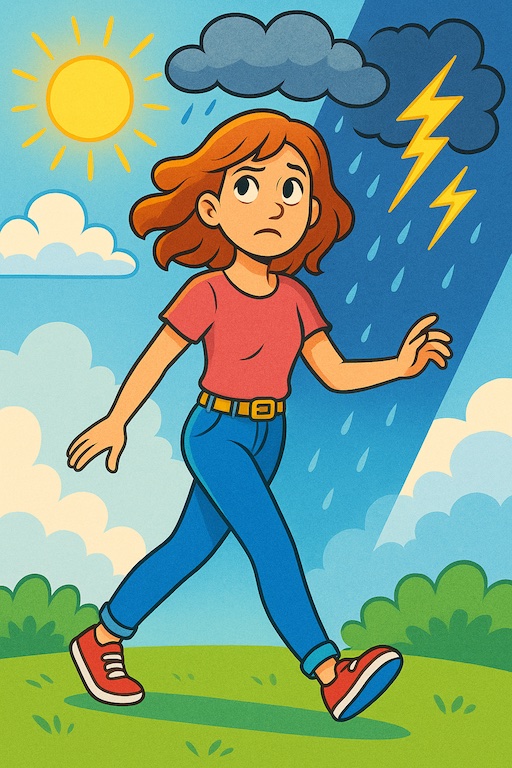
If you're struggling with depression, anxiety, or emotional instability during perimenopause or after menopause, it's important to talk with your ob-gyn or primary care provider. They can help determine whether your symptoms are related to a mental health condition and may refer you to a mental health professional, such as a psychiatrist or therapist.
Antidepressant medications can be effective for treating both depression and anxiety. For some women, hormone therapy—such as estrogen replacement—can also help relieve mood symptoms associated with perimenopause.
Since sleep disturbances can worsen mood and mental health, improving your sleep hygiene is a key part of treatment. Poor-quality sleep can affect your emotional regulation, problem-solving, and resilience to stress. Establishing healthy sleep habits can make a big difference in your overall well-being.
- Maintain a consistent sleep schedule by going to bed and waking up at the same time daily.
- Avoid screens (phones, TVs, computers) in the hour before bedtime.
- Steer clear of heavy meals close to bedtime.
- Limit caffeine intake in the afternoon and evening—it can linger in your system for hours.
- Create a quiet, cool, and dark bedroom environment; use a fan if it helps you sleep better.
Lifestyle Changes
Lifestyle adjustments can significantly support emotional and cognitive health during perimenopause. Regular exercise, reducing stress, and engaging in mentally stimulating activities all contribute to emotional balance and resilience.
- Stay socially connected—maintaining a wide support network can boost mood and cognitive function.
- Stay physically and mentally active with activities like walking, dancing, reading, or puzzles.
- Eat a healthy diet rich in omega-3 fatty acids, fruits, vegetables, and whole grains—following a Mediterranean diet is particularly beneficial.
- Limit sugar, caffeine, and alcohol; avoid smoking entirely.
- Manage chronic conditions like high blood pressure, diabetes, and high cholesterol to reduce dementia risk.
- Practice relaxation techniques such as yoga, meditation, massage, music therapy, or journaling.
Regular check-ins with your healthcare team—your ob-gyn, general practitioner, or mental health provider—can help monitor symptoms and guide treatment choices. You don’t have to navigate this phase of life alone.
When to Seek Help: Red Flags
It's normal to experience emotional changes during perimenopause and menopause, but if your mood symptoms begin to interfere with your daily life, it’s important to seek help. You don’t have to “tough it out” alone—professional support is available and effective.
A woman should speak with a doctor if she is troubled by persistent changes in her mood, behavior, or character. Emotional shifts may be part of the hormonal transition, but they can also indicate a more serious issue such as clinical depression or anxiety disorder.
You may be experiencing major depression if, most of the day, nearly every day, for at least two weeks, you have noticed:
- Persistent feelings of hopelessness or emptiness
- Loss of interest or pleasure in hobbies and activities you once enjoyed
- Trouble concentrating, making decisions, or remembering things
- Changes in appetite or weight
- Difficulty sleeping or waking up too early
- Fatigue or low energy nearly every day
- Feelings of worthlessness or excessive guilt
- Thoughts of death or suicide
If you recognize any of these signs in yourself or a loved one, it’s crucial to reach out to a healthcare provider promptly. Mental health is just as important as physical health, and treatment can make a significant difference.

Summary
Menopause and perimenopause bring significant hormonal changes that can deeply impact mental health, causing mood swings, anxiety, and depression. These challenges are real and biological, not just “in your head.”
You don’t have to suffer alone — support and effective treatments are available. If you’re struggling, always reach out to a medical practitioner who can help guide you through this transition with care and understanding.
Your emotional well-being matters, and help is here for you.